Your portfolio wants to talk.

Every trader needs a shrink because trading is one of the most difficult skills there is to learn. The best traders learn to become their own shrink. With Shrink Your Losses, you can learn how.
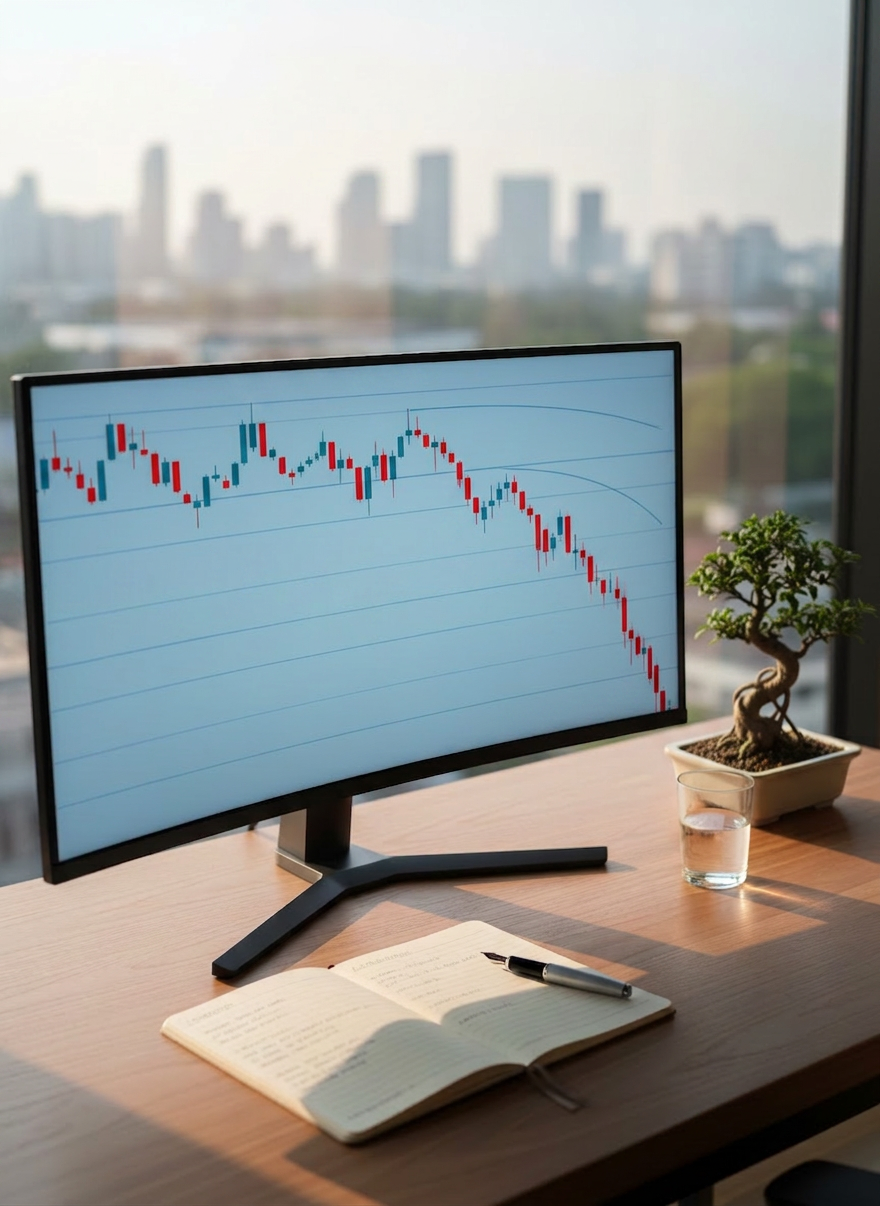
A large, ultra-wide desktop monitor displaying a calm, blue-toned equity chart with gentle, orderly candles and clearly defined support and resistance zones, symbolizing a trader reviewing losses without panic. The screen sits on a tidy wooden desk beside a small bonsai tree and a glass of water, with an analog notepad and pen open to neatly written reflections. Soft morning light enters through a nearby window, casting gentle shadows and a serene glow across the workspace. Photographic realism at eye level, with a shallow depth of field that blurs a distant city skyline and a hint of greenery outside, creating a composed, professional, and contemplative atmosphere.
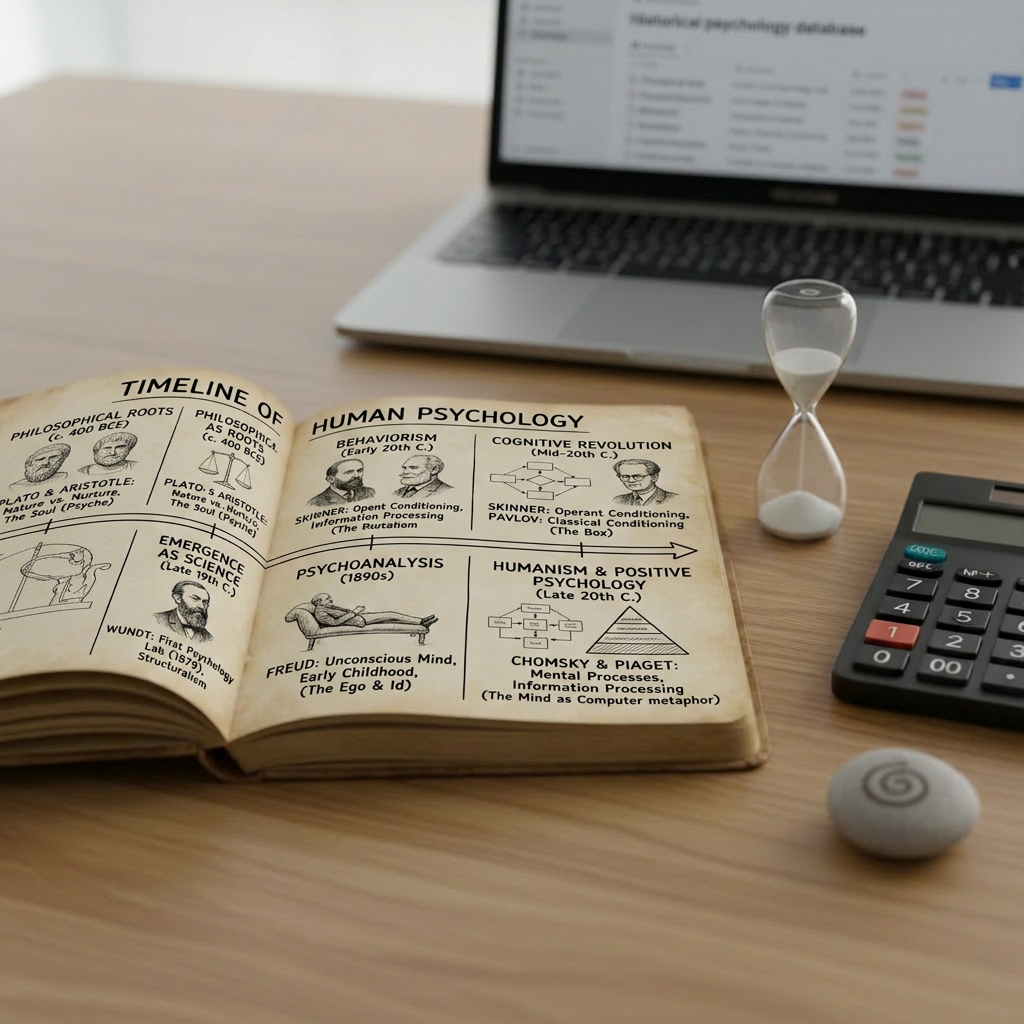
A close-up of a minimalist trading journal lying open on a smooth oak table, its cream pages filled with neatly drawn risk-reward boxes and hand-sketched candlestick patterns documenting past losing trades. Beside it rests a matte-black calculator, a simple sand hourglass, and a small smooth river stone engraved with a subtle abstract symbol, evoking patience. Soft overcast daylight filters through off-frame, giving the scene gentle, even lighting with delicate shadows. Shot from a slightly elevated angle in photographic realism, the background falls into a soft blur showing a distant laptop with a muted trading dashboard, creating a mood of calm analysis and introspective learning.

“Psychology in trading is bullsh*t!”

The market disagrees. What you see on a chart is the combined human psychology over hundreds of years, hence the saying “there’s nothing new under the sun”. What has happened before will happen again, albeit in a different shape or form. What you see on a chart, in the news, or in analyst reports, has happened before and knowing how to respond to it can help you tremendously.

How Shrink Your Losses came to be

Believe me, I know what it feels like to lose money over and over again, blowing up accounts, becoming anxious, and even depressed. Human beings learn best by doing and failing, but I would have preferred someone who could have made the failures feel less heavy. Let me help you with that.
A large, ultra-wide desktop monitor displaying a calm, blue-toned equity chart with gentle, orderly candles and clearly defined support and resistance zones, symbolizing a trader reviewing losses without panic. The screen sits on a tidy wooden desk beside a small bonsai tree and a glass of water, with an analog notepad and pen open to neatly written reflections. Soft morning light enters through a nearby window, casting gentle shadows and a serene glow across the workspace. Photographic realism at eye level, with a shallow depth of field that blurs a distant city skyline and a hint of greenery outside, creating a composed, professional, and contemplative atmosphere.