You cannot trade well if you are not well.
Origin
I started trading in 2018 with the quiet conviction that this could change my life. I remember opening my account and feeling like I had stepped into a new language. Candles, timeframes, indicators — it all looked complex and important, but underneath it was a simple feeling: this can make me rich.
But potential cuts both ways. Over the years that followed, I didn’t just lose a few trades. I lost thousands of euros, more than once. I would build up an account, feel like I was finally getting it, and then watch it unravel far faster than it had grown. Each time, I told myself I would be more careful, more disciplined, more prepared. Each time, I found new ways to repeat the same patterns. I dabbled into a lot of strategies and assets like penny stocks and options trading, every time ‘reinventing’ myself, but deep down making the same mistakes over and over again.
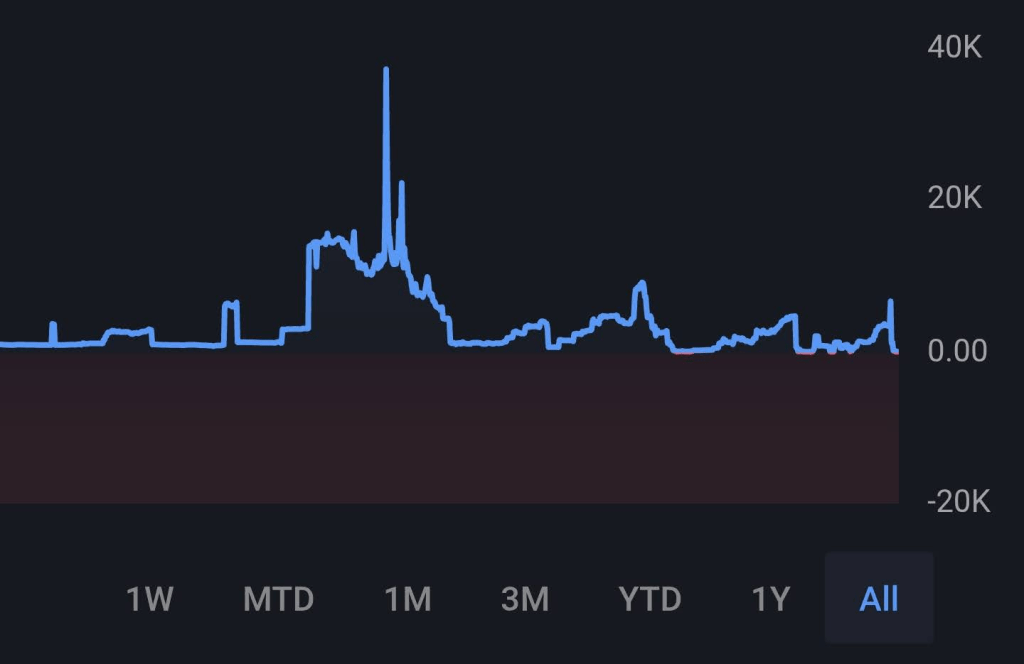
The most painful chapter was an account that had grown to nearly $40,000. For me, that was a significant amount of money — a mix of savings, profits, and time, but mostly savings, adding and adding. There was no single spectacular blow-up, no movie scene, but there were days I lost multiple thousands and often times I didn’t feel a thing. Money became worthless. Other times I experienced days and weeks where anxiety hit me hard, sleep faltered, and my mindset became troubled.
Losing money wasn’t just a financial event. It marked the beginning of a dark period for me. The numbers on the statement were one thing; the quiet impact on my day-to-day life was another. I carried a constant sense of heaviness into simple things: checking my phone, making plans, even small purchases. It’s hard to feel present when so much of your mental space is occupied by what you’ve lost and how you lost it. There are no visible scars, but there is a quiet erosion of your mental health. That toll goes beyond charts and numbers.
Over time I had a gradual realization that the way I was living simply wasn’t sustainable. The common factor in every blown account was me — my mindset, my reactions, my lack of structure. I was my own worst enemy.
That’s where Shrink Your Losses comes from. This blog is not written by a perfect trader or a market guru. It’s written by someone who has sat in front of the screen, watched years of effort disappear in a series of avoidable decisions, and decided that ignoring the mental side of trading is too expensive. I want to be honest about what trading really costs — not just in money, but in energy, attention, and emotional stability.
My belief is simple: you cannot trade well if you are not well. Risk management and edges matter, but they rest on something deeper. If your mental health is fraying, if you are trading from fear, desperation, or the need to prove something, the market will expose it. Over time, it always does.
If you’re reading this as someone who is struggling, or as someone who is just starting out and wants to understand the full picture, you’re welcome here. This isn’t a place for promises or slogans. It’s a place to look at trading with clear eyes, to talk honestly about the psychological cost, and to explore ways to shrink your losses — financially and mentally. I don’t know exactly where you are on your path, but if any part of my story feels familiar, I hope what you find here helps you feel a little less alone, and a little more supported, as you find your own way forward in shrinking YOUR losses.

